The customer no longer stops at the door
By Pomélo and Thibault Brunat
(c) Anne-Sophie Nival
For a while, at the restaurant, customer relations started at the entrance and ended with the bill. Today, this scenario has changed: between online booking, Instagram messages, Google reviews, text reminders, no-shows and databases, the relationship with the restaurant is built before, during and after the meal. And, sometimes, long time after. Interview with Sophie Journo and Stéphane Riss, during Sirha Méditerranée 2026, organized by Sirha Food / GL events.
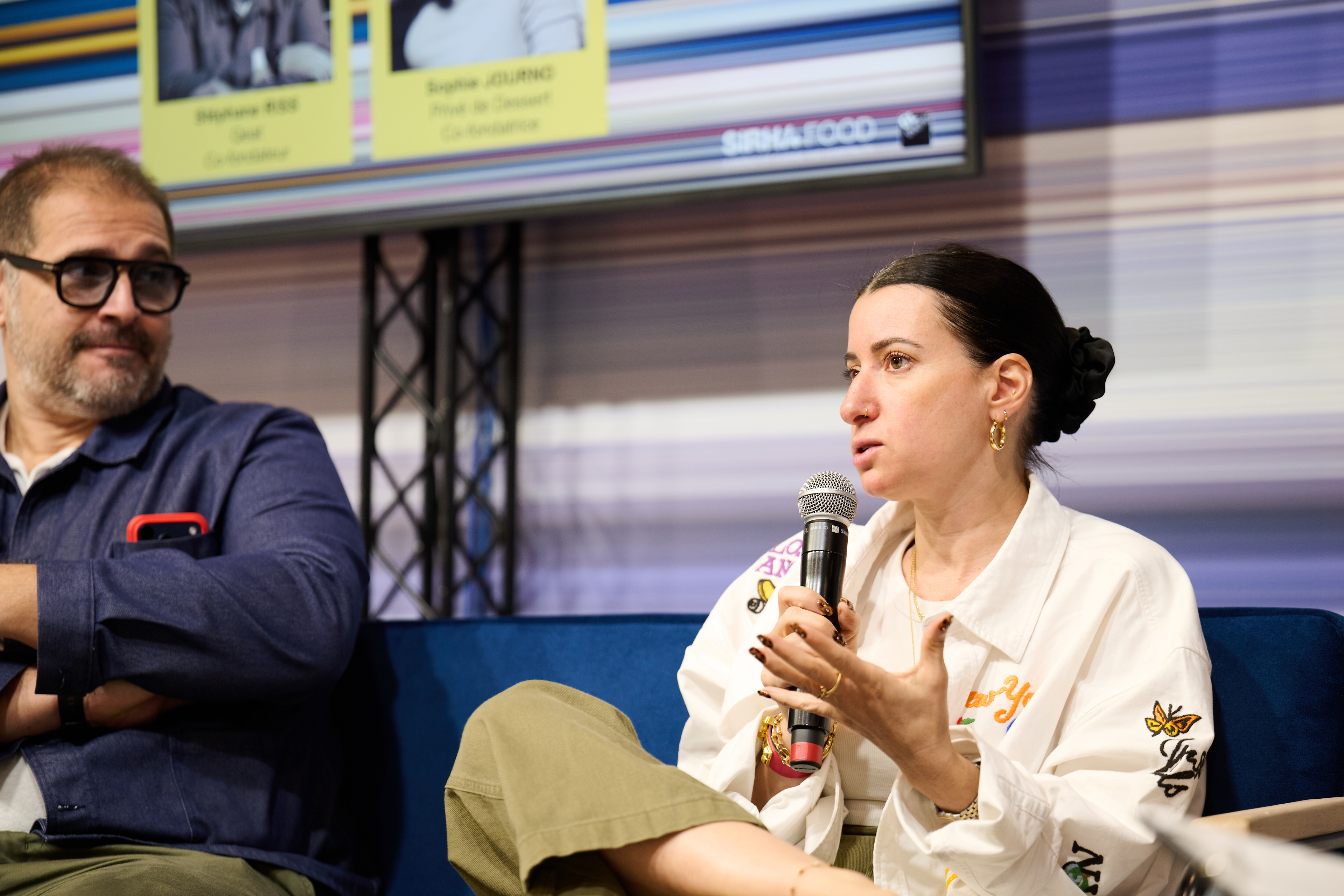
At Privé de Dessert, a Parisian restaurant known for its savory trompe-l'oeil inspired by pastry, Sophie Journo experienced it on a large scale. "Today, we have served 300,000 customers since the opening. One in three customers comes back, and comes back many times." The concept is appealing, of course. But, according to her, it is not the one who keeps people coming back: "What will bring them back is everything that constitutes the fundamentals: the welcome and the quality of the dishes."
In a sector where novelty attracts as much as it disperses, the real issue is there: to bring back. Stéphane Riss, creator of QEAT, a customer knowledge and loyalty solution for restaurants, readily compares the restaurant to retail. «The restaurant owner makes food, the customer is happy and he leaves. But what does the professional do afterwards to make him want to come back?” In a street where fifty restaurants follow one another, the question is no longer just to feed, but to maintain the relationship with those who have already left.
For Sophie Journo, "the client should always feel like a regular customer." Even when he is not yet one of them. Even when he comes for the first time. It evokes those faithful who end up belonging to the history of the place, such as Sandrine and Henri, who have come 32 times since 2016, always for the same dish: a burger in the form of a saint-honoré. "The customer is always right, especially when he is wrong," she likes to repeat as a mantra.
This consideration now also involves technology. For Stéphane Riss, the era of the restaurateur who "has nothing and doesn’t care" is over. A reservation system allows you to book when you want, without waiting for a phone to pick up. "We can no longer wait." The restaurant must be accessible according to today’s customs.
This availability also plays out on Instagram. At Privé de Dessert, Sophie Journo replies to messages herself, often within 24 hours. "I talk with future clients, then we continue with the client. We have a continuous connection before and after. We review all the photos of the clients." Again, nothing very spectacular on the surface, but a formidable loyalty mechanism: to answer, thank, share, give a place to those who talk about the restaurant.
Stéphane Riss insists on this point: many establishments do not even do this minimum. «When customers write a review, you can see that the restaurant does nothing, not even likes. From the moment the restorer rebuilds or likes, we consider the client and their opinion." To answer, yes, but not just any old way. He cites the example of a chef who reacted immediately to a review published by an influencer, before the screenshots circulated widely. His rule: respond to negative reviews, but never on the same day.
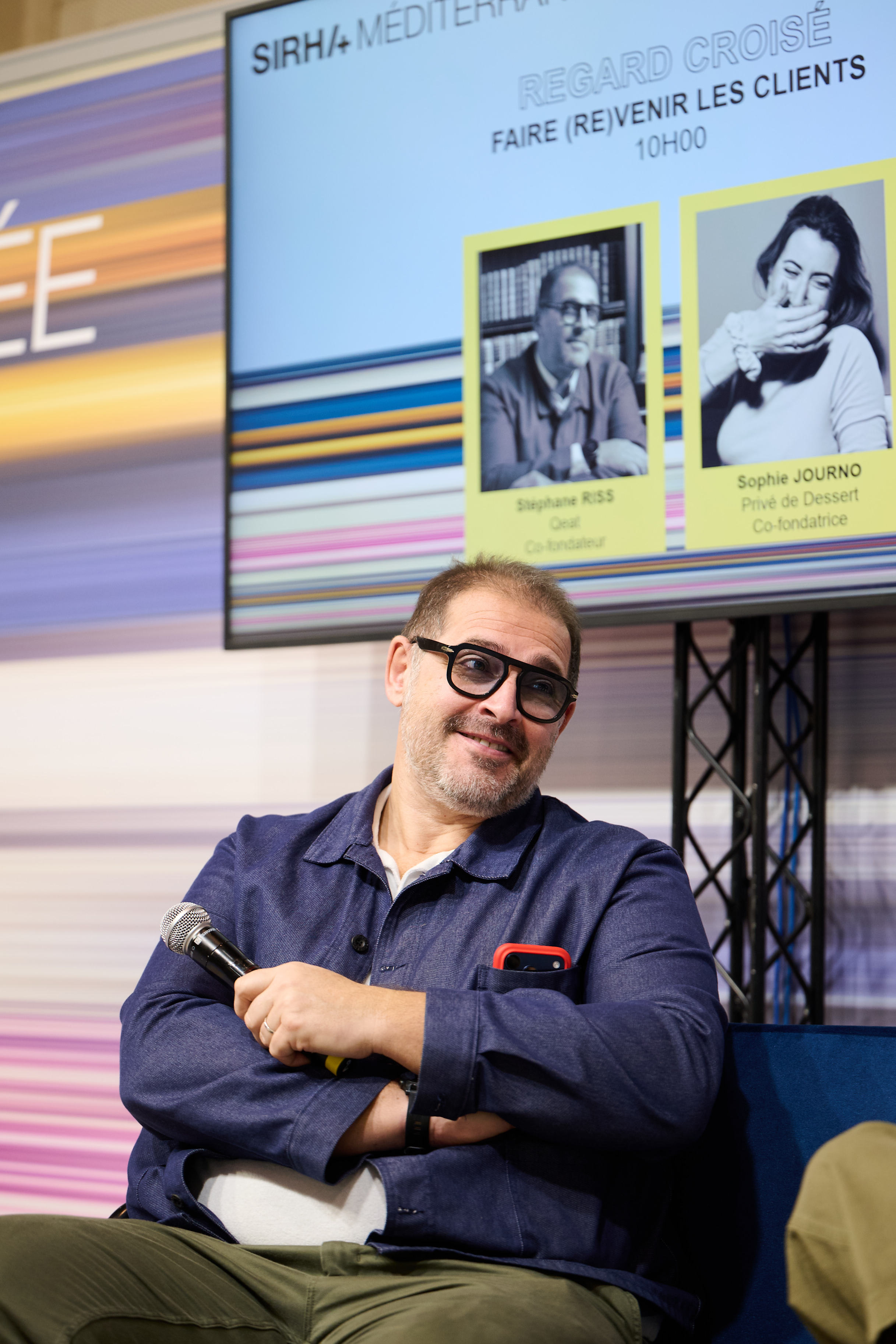
Data, on the other hand, opens another chapter. Booking platforms make it possible to identify habits, returns, absences, and customers who have not come for six months. "We’re not going to solicit 70,000 customers," explains Stéphane Riss about the Privé de Dessert database. The challenge is not to send the same message to everyone, but to target: follow up with customers who have been absent for some time, automate certain reminders, and allow people to say stop.
The same logic applies to no-shows. At Privé de Dessert, for groups of five or more, a bank record is requested. The day before, a text message or an email reminds you of your reservation. In case of absence, the team calls: "You didn’t come last time, will you really come this one?"
Communication remains. For Sophie Journo, what still works best is to "do it yourself, stay spontaneous, natural." This former member of the group Alain Ducasse can write directly, on social networks, to journalists or content creators when something new arrives. Stéphane Riss, for his part, sees the press relations agency as a useful accelerator at launch, but in a short time: "Three to six months, no more, if we have the means." As for influencers, the landscape has hardened: some can fill a room, but now charge several thousand euros for the video. Hence the need to look behind the numbers, especially with sites like Social Blade, to distinguish real communities from artificially inflated audiences.