The return of the Snacking, how snacks are facing competition
By Rémi Héluin
Long considered a strategic tool to enable the growth of bakery companies, snacking is seeing the emergence of competition from players with aggressive price positioning. Large-scale distribution in local formats, young brands offering gargantuan portions at ridiculously low prices, ... Faced with these ever more efficient operators and the pressure on household purchasing power, can bakers continue to build customer loyalty and promote an image of accessibility?
"At lunch, the only place where there is a queue is in the bakeries," Bernard Boutboul often repeats. The restaurant specialist, who heads Gira Conseil, frequently recalls on his social networks and in interviews the importance that bakers have taken in the consumption of out-of-home meals... to the point of becoming, according to him, the leader in the restaurant industry in France. The French version of the fast-food restaurant would thus be born, gradually expanding its range outside of sandwiches while keeping the image of a particularly accessible option, even though the international chains seemed beaten in this bastion. This privileged position could well be called into question by the rise of increasingly structured and efficient players: even if "networked" bakeries (chains) now represent nearly 2,900 units in France, with a strong activity on the restaurant side, they remain much less solid and established than mass distribution. Despite the erosion of their positions due to the change in consumption patterns, linked to a marked loss of interest in gigantic stores on the outskirts, distributors are multiplying formats to continue to exist.
Local brands strengthen the link
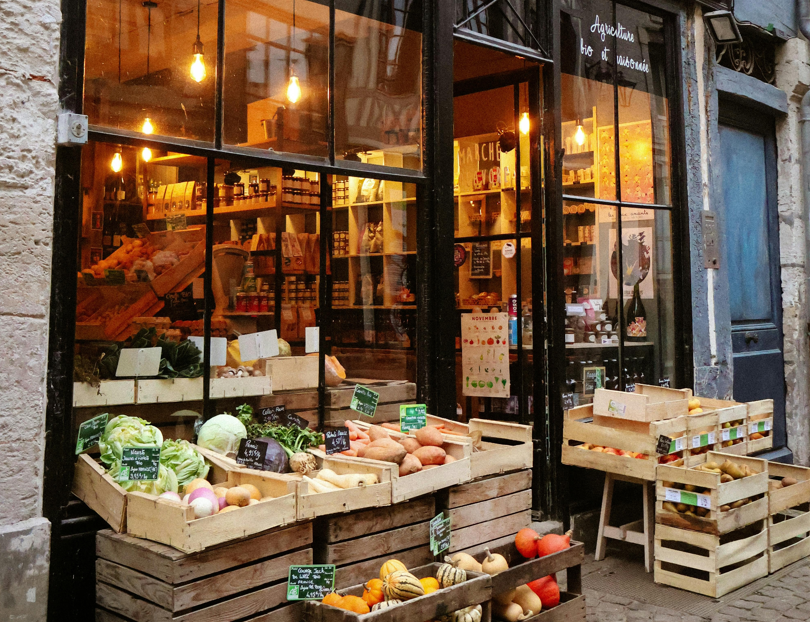
The proximity, made up of mini-markets with well-known French brands (Monop', Franprix, Carrefour City, etc.), represents a network of nearly 11,000 stores, and is now offering the luxury of insolent growth, even though the out-of-home catering sector is struggling. According to a study carried out by Food Service Vision and NielsenIQ, the turnover of this channel on FMCG + fruit and vegetables (FMCG-FL) increased over 2025 during the week and at weekends, by +8.1% and +7.3% respectively compared to 2023. Within this large group, references dedicated to meals are widely acclaimed: sandwiches alone have increased by 30% in two years among young adults (under 35 years old) in the local area, which represents 2.6 million more units sold. This same audience alone accounts for nearly a third of the network's growth... This testifies to the slow desertion of traditional actors within this public. Not only does this offer benefit from attractive prices, but it is deployed in strategic locations: train stations, metro stations, tourist areas and shopping centres, office districts, etc. These are all sectors where rents limit the establishment of activities with heavy processing activity on site, as is the case for an artisanal bakery.
New players with codes aimed at the younger generations
These are not the only factors that can permanently divert young consumers from the gourmet world built by bread and sweet specialists. On social networks, new players in the restaurant market are capitalizing on the codes appreciated by Gen Z: the lunch break is becoming a social experience, where "food porn" imposes itself through rich and generous specialties. Among them, the "Crousty", a bowl of rice topped with fried chicken and gravy, is one of the most popular. The recipe is simple: an easily reproducible product, at material cost, served in a very large portion... at a price that makes the customer feel like they're getting a good deal. Each inauguration gives rise to crowd movements, thanks to well-rehearsed marketing and the promise of getting a free dish. Between quantity and the prestige conferred by the trend, specialized brands (such as the famous Tasty Crousty and Krousty Sabaïdi) give the customer the feeling of being particularly well served: the perceived value is significantly higher than that of the "classic" offer that a baker can offer. The same is true for the "boxes", often offered in limited editions, whose prices defy all competition... with real consequences on the supply chain, where costs are compressed. Faced with these challenges, the sector wants to accelerate the transformation of its concepts to continue to seduce, in particular by focusing on the customer experience. Feuillette, which recently inaugurated its 100th point of sale, plans in 2026 to evolve its architectural proposal and strengthen product innovation... to avoid being bitten by an ever more voracious competition.
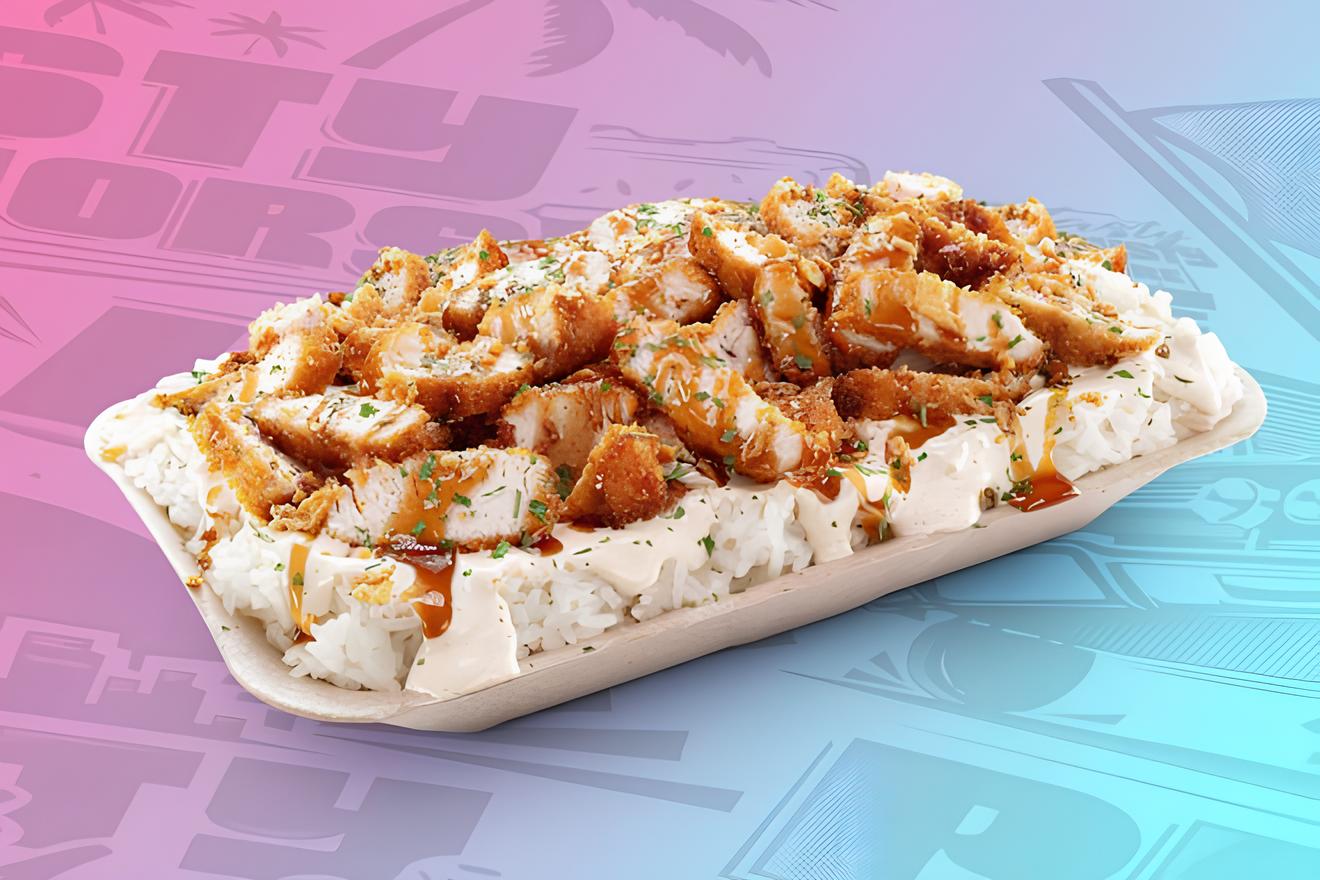
(c) Tasty Crousty