From simple mode to structural trend, gluten-free, not from desire
By Rémi Héluin
By becoming a permanent part of the diet landscape, gluten-free products have defied the predictions that they are simply trendy products. Not content with offering an alternative to wheat-based references, they offer a "free" vision of bread and pastry, all while managing to convince on the ground of pleasure.
What if, to strengthen the consumption of gluten-free products, it was enough to make them desirable? It is the atypical vision of this market, whose players are traditionally focused on health issues, that Baptiste Borne and Giovanni Amico have developed. For the two partners, who have worked in the world of luxury (within the LVMH group in particular), reconciling healthy food, alternative flours and customer experience was obvious. Thus was born the Copains Paris brand in 2021, first in the center of the capital, rue Tiquetonne. Since then, their gluten-free creations, sometimes plant-based, have been deployed in 17 other points of sale spread between Paris and Lyon - since this summer - with future openings planned outside France, in Brussels.
This approach manages to widen the circle of consumers of gluten-free products beyond just coeliacs - who represent about 1% of the French population and are hypersensitive. In 2022, the barometer carried out by the media specializing in the subject Because Gus revealed that 8% of the population of France had adopted a gluten-free diet. This implies that one in four French people is concerned by the subject, due to the presence of a loved one who has adopted such eating habits in their entourage. These figures should be put into perspective with the share of vegetarian or vegan diets in France, which represent only 5 and 3% of eating habits in our territory, respectively, according to a study conducted by Statista between July 2023 and June 2024. However, the media attention paid to the theme of gluten is much lower, which limits the value of the innovations developed by companies positioned in the segment. However, this is not enough to dampen the enthusiasm of specialists, whose products fill the shelves of supermarkets as well as specialized organic networks, which remain the two major channels for this type of product. According to a study by Euromonitor, the market for gluten-free products could reach $28 billion worldwide by 2028, up from $24 billion in 2024. While inflation had slowed down the development of the sector, the innovation efforts made since then have generated renewed interest among consumers.
(c) Chambelland
Committed players to defend integrated sectors
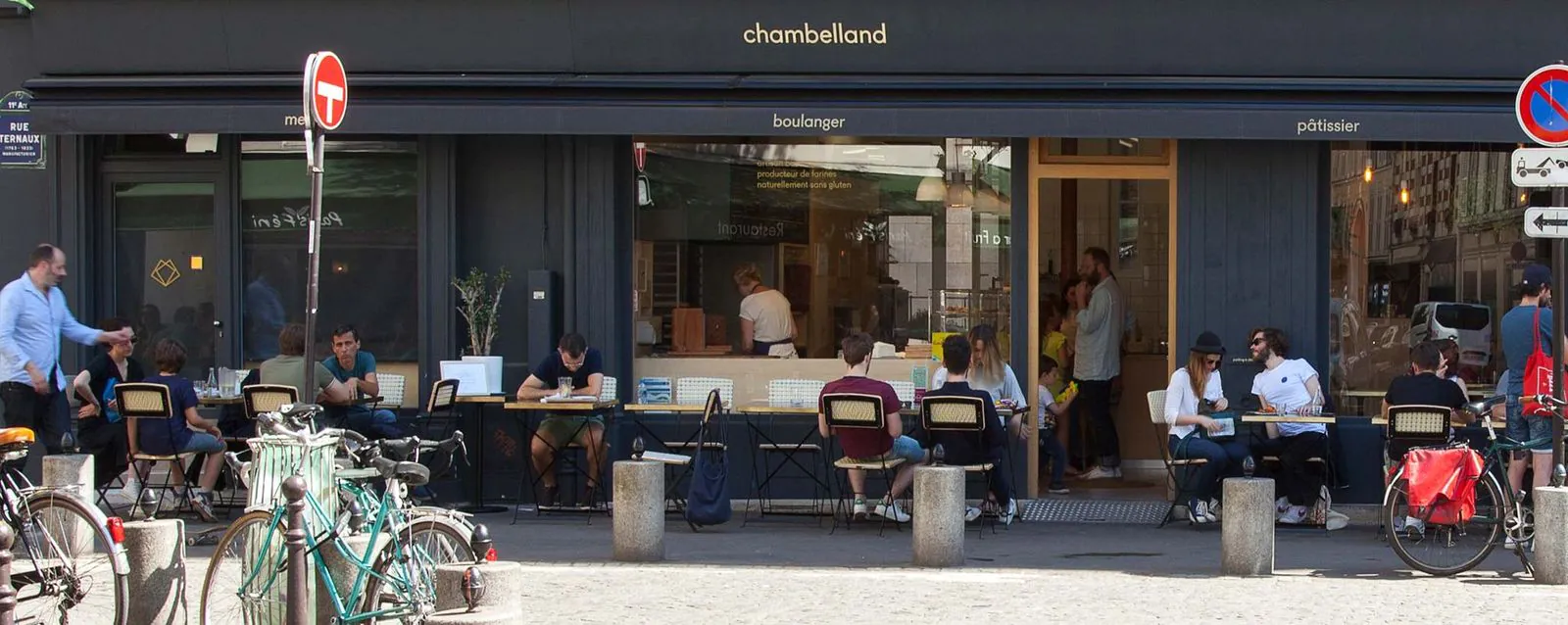
The challenge is indeed to thoroughly renew the image of gluten-free recipes, sometimes singled out for the deficiencies they can cause, or for the presence of controversial additives and texturizers. To achieve this, some are betting on an integrated sector and an approach that is as artisanal as it is committed. This is the case of Thomas Teffri-Chambelland and Nathaniel Doboin, who have been at the head of the Chambelland house since May 2014. The first store, located in the 11th arrondissement of Paris, has become over time a real place of life where the culture of eating well is lived and transmitted on a daily basis... based on the solid support of the Moulin Chambelland, dedicated to the crushing of rice flour, carefully selected in Italy. Built in association with the miller Stéphane Pichard, the tool guarantees gluten-free and regularity of the finished product. In addition to bread, whose rectangular format has become the brand's signature, there are complete sweet and savoury ranges available to gourmets, with references adapted to the different needs of everyone, including lactose intolerant audiences. We find the expertise and curiosity of biologist Thomas Teffri-Chambelland, who explored the world of natural sourdough breadmaking as well as gluten-free ingredients, with the same high standards and the desire to offer a product that is as natural as it is tasty. He shares this approach with Michelin-starred chef Nadia Sammut, head of Auberge La Fenière. Herself suffering from celiac disease, the cook has imagined, under the Kom&Sal brand (Sirha Food video report here), recipes giving pride of place to buckwheat, Camargue rice, chickpeas and chestnuts. Here again, the integration of a mill is part of the project, with the desire to share the products with as many people as possible through an offer of flours, breads, biscuits and cakes offered to the world of Food Service through the distributor Transgourmet.
Innovating to attract and retain
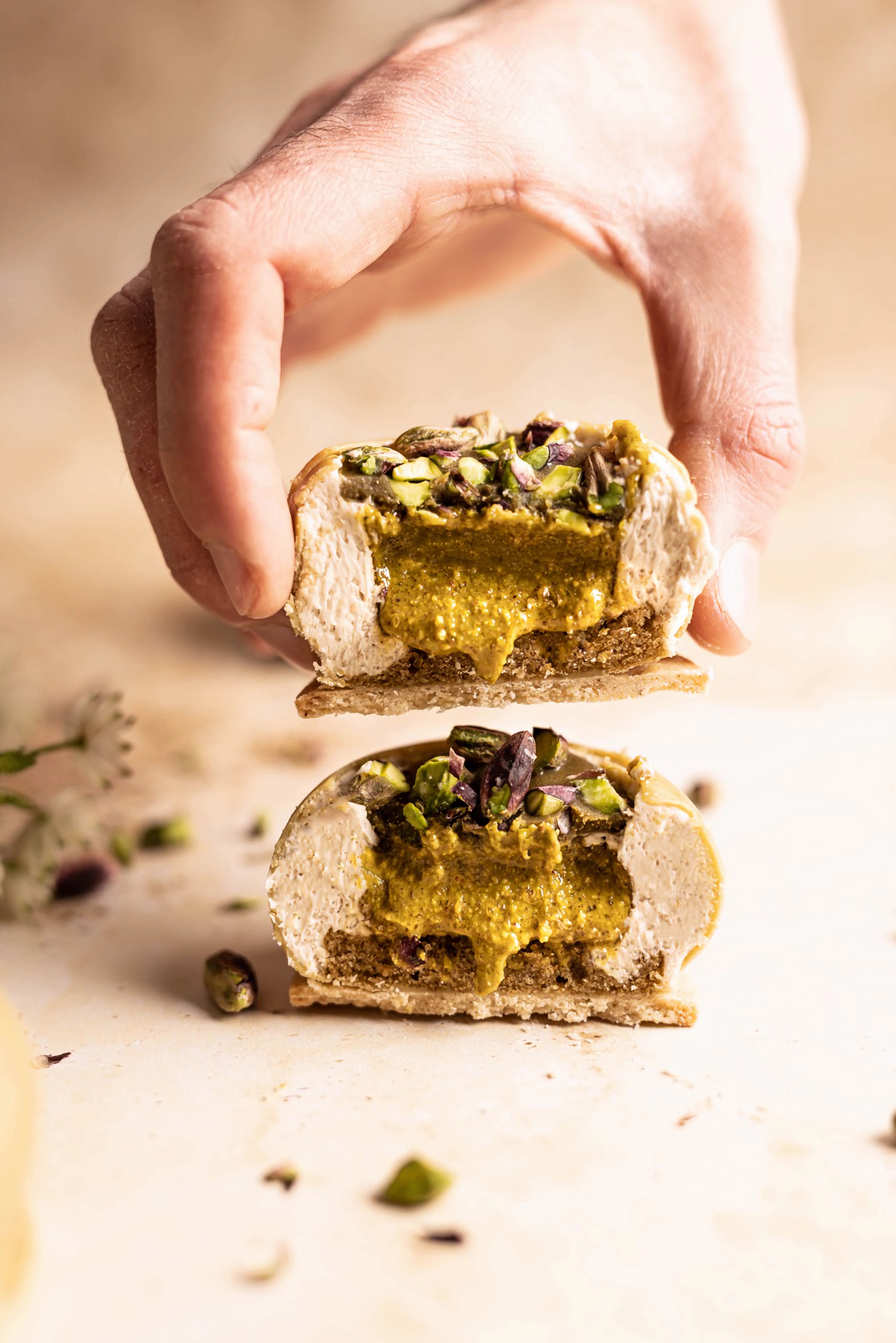
The expertise of these committed players allows bakers and pastry chefs as well as out-of-home catering operators to meet the real expectations of their customers, even if the risks of cross-contamination remain high in kitchens and laboratories due to the volatility of gluten. While gluten-free bread references (or more precisely, wheat-free, since traces of gluten are inevitable in a laboratory working with a wide variety of cereals) are present but marginal in traditional bakery, it is on the pastry side that options adapted to specific diets have developed the most. Matteo Deiana, founder of the young Parisian pastry shop Giardino, has chosen to offer a 100% plant-based range but also essentially gluten-free. "We especially highlight the natural character of our cakes, as well as the work done on the sourcing of ingredients. However, our customers appreciate the fact that our products are more digestible and light, due to the absence of lactose and also gluten for the most part," says the chef.
(c) Pepa Sion
The most sensitive are choosing to remain loyal to specialists and manufacturers, because of the security they represent. However, the offer remains poorly in line with the real expectations of customers. "In France, we don't meet the expectations of our consumers because we lack boldness and we don't dare to propose an offer, because, supposedly, we don't have the demand," lamented Fabrice Fy, co-director of Nature & Cie, in the columns of a dossier dedicated to gluten-free in the magazine Bio Linéaires. The example of our Spanish and German neighbours should inspire us, since the market is proving to be much more dynamic thanks to the voluntarism of the players. It will therefore be necessary to focus on products with a better studied nutritional balance, while offering stronger promises in terms of organoleptic... but also to open up to well-identified audiences, such as seniors, by working on specific recipes, and targeted communication. SMEs such as Matatie are trying to impose themselves on these subjects. Specialising in children's cakes, the company stands out for its strong capacity for innovation and an unprecedented ability to remove allergens that can cut off access to their products for part of the public... going so far as to seduce adults. By responding to everyone's health challenges and focusing on taste, gluten-free could then become synonymous with free and unifying pleasure.