When sugar becomes a lightning rod for criticism
By Rémi Héluin
Repeatedly threatened with taxation, sugary products continue to enjoy strong consumer appeal… but must now prove their responsible credentials to retain a clientele accustomed to scrutinizing ingredient lists. While a “reduced sugar” approach has taken hold across part of the sector, stakeholders are now aligning efforts to increase impact and visibility—despite real technical constraints in maintaining product quality.
Our era hunts ingredients the way our ancestors once hunted witches. Now equipped with a tool—the smartphone—that can identify excesses with a simple barcode scan, consumers are reshaping their purchasing habits based on recommendations from apps, content creators, and health influencers. Sugar is among the raw materials most frequently criticized, both for its addictive nature and its harmful effects on human health. This stigmatization follows that of fat, which, like sugar, plays an essential role in the pleasure food can provide. In both cases, these are key flavor carriers that hold an important place in the creation of the treats crafted by bakers and pastry chefs. For Johanna Le Pape, World Champion of Sweet Arts 2014, this close relationship is problematic: “Pastry chefs are not feeding their customers well, even though it is an integral part of their mission.” The chef has made “wellness-driven and committed pastry” her specialty, setting aside traditional sugars in favor of more unconventional ingredients, such as yacon syrup or fruit-based sugars. She is far from alone in exploring this approach. Over the past fifteen years, “sugar reduction” has emerged as a major trend across the sector, sometimes leading to striking transformations, with sugar levels reduced by 25% to 50% in certain recipes. “Sugar reduction cannot be seen as an end in itself. This evolution must be designed to give more space to ingredients and their natural flavors,” argues chef Claire Heitzler, whose work focuses on taste as a way to honor producers.
In 2026, pastry chefs are becoming more conscious
This growing adoption of new approaches among pastry chefs reflects an ongoing shift from a technique-driven mindset to a more “sensitive” vision of the craft, where awareness guides everyday choices and gestures. These commitments are not necessarily used as communication tools, in order to preserve the accessibility of both the space and the offering. This is the case at Gioya, which opened in late 2025 in Paris’s 17th arrondissement. Its co-founders, Adrian Dermine, Dorian Tudeau, and Léo Mas, chose to use only fruit-based sugars, reducing the glycemic index of their products—without making it a key selling point for customers. “Our shop should not feel like a pharmacy,” sums up Dorian Tudeau, well known among pastry enthusiasts through the content shared on the Instagram account @lecoindupatissier (535,000 followers). The three partners have also launched a brand marketing this sugar alternative, called Higéa. The line between indulgent and ascetic recipes, however, remains relatively thin. Frédéric Bau, former “pastry explorer” at Valrhona, explored this tension by defining the concept of “mindful indulgence” alongside nutritionist Thierry Hahn. Now implemented in many recipes at L’École Valrhona and adopted by renowned pastry chefs, this approach goes beyond simply reducing sugar intake—it also questions the role of traditional ingredients such as cream. This can result in creations that offer sensations quite different from industry standards, as the combination of fat and sugar has long been at the heart of the comfort sought by many consumers.
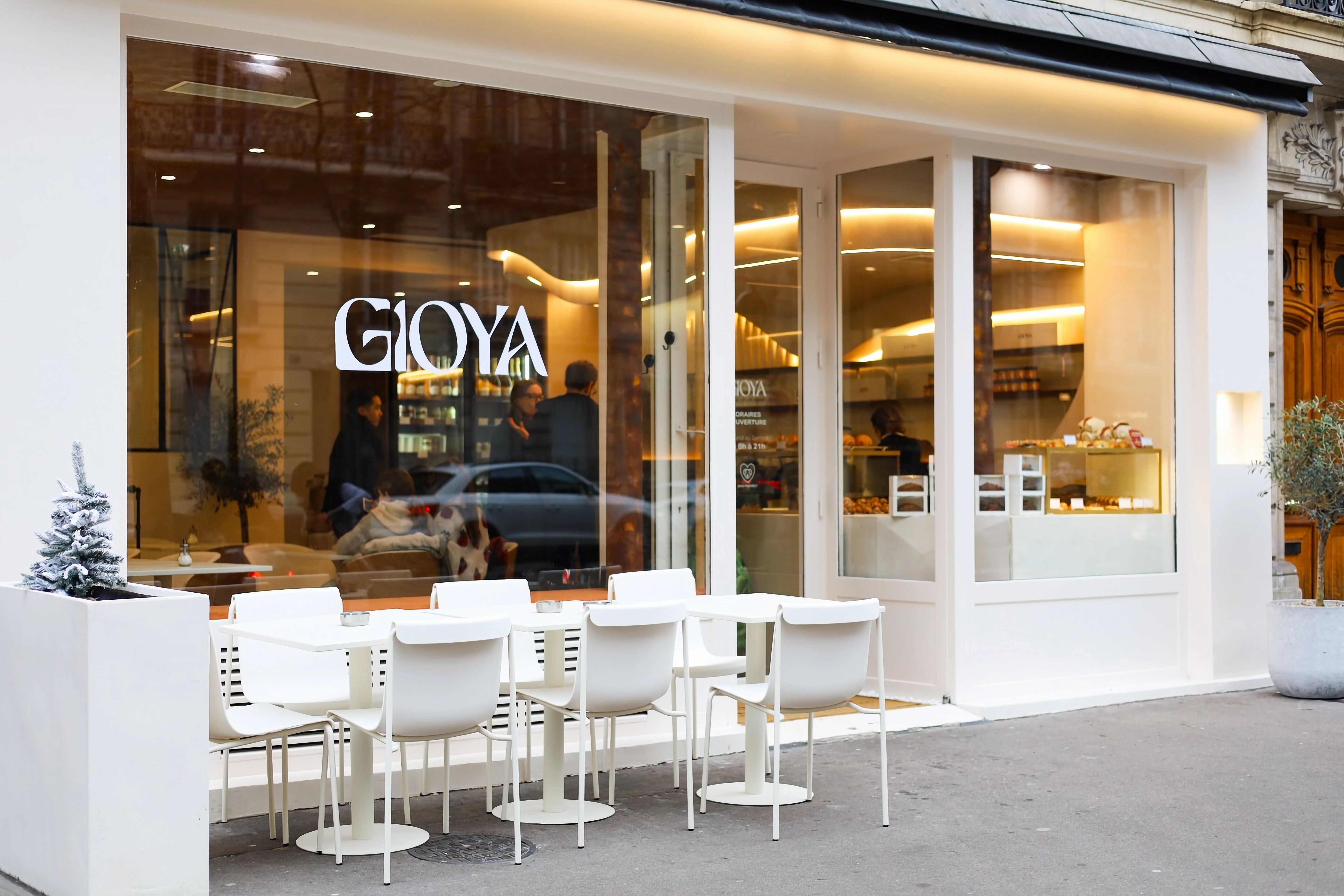
(c) Gioya
Towards a collective momentum
Beyond artisans, the entire sector is now questioning how to reshape its relationship with sweetness—without creating a risk of consumer disengagement… and without resorting to sweeteners. The challenge is particularly complex due to technical constraints: sugar acts as a bulking agent, meaning that any reduction must be compensated with other ingredients. The Fédération des Entreprises de Boulangerie (FEB) has embarked on this large-scale initiative under the leadership of its president, Didier Boudy. “Following the work carried out on salt reduction in bakery products, we now aim to engage our members in a collective approach to reducing sugar levels. This is a genuine public health issue, aligned with the objectives set by public authorities through the National Strategy for Food, Nutrition and Climate (SNANC),” explains Denis Grivet, Technical, Regulatory and Packaging Manager at the FEB. The organization has identified 37 product categories, enabling collaboration with experts to analyze recipes and identify areas for improvement. The goal is to achieve a 10% reduction across all categories, with a gradual approach designed to help consumers adapt over time. A first version of the proposed collective agreement was submitted to the Minister of Agriculture, Annie Genevard, in January, with finalization expected by mid-year.
An industry rallying against the false promises of “miracle sugars”
The collective drive to improve public health in France is likely to generate positive externalities for the healthcare system… but it may also create real side effects for a sector deeply rooted in local territories. Sugar beet, grown in regions north of the Loire, naturally produces white sugar without requiring refining—contrary to common misconceptions. Cultures Sucre, the interprofessional body representing producers and processors (bringing together 23,000 growers and nearly 70,000 jobs across the value chain, both direct and indirect), is working to rehabilitate the image of sugar while promoting “responsible consumption.” “There is no such thing as a miracle sugar,” sums up its Managing Director, Philippe Reiser, directly referring to the many alternatives now available, some of which come from distant regions. An offbeat billboard campaign was launched in early 2026 to raise public awareness of the connection between agriculture and the pastries consumed on a daily basis. The objective is clear: to restore a sense of appeal around the product. This task is made all the more complex by the growing number of players entering the field. In June 2025, Innovi laboratories introduced Süvy, a sugar substitute with ambitious promises. According to the company, the product replicates all the technical properties of sugar without any aftertaste or texture issues—while boasting a glycemic index below 2. The battle of sugars may therefore only be beginning… with laboratories as the new playing field, where pastry chefs could well evolve into true scientists of taste.
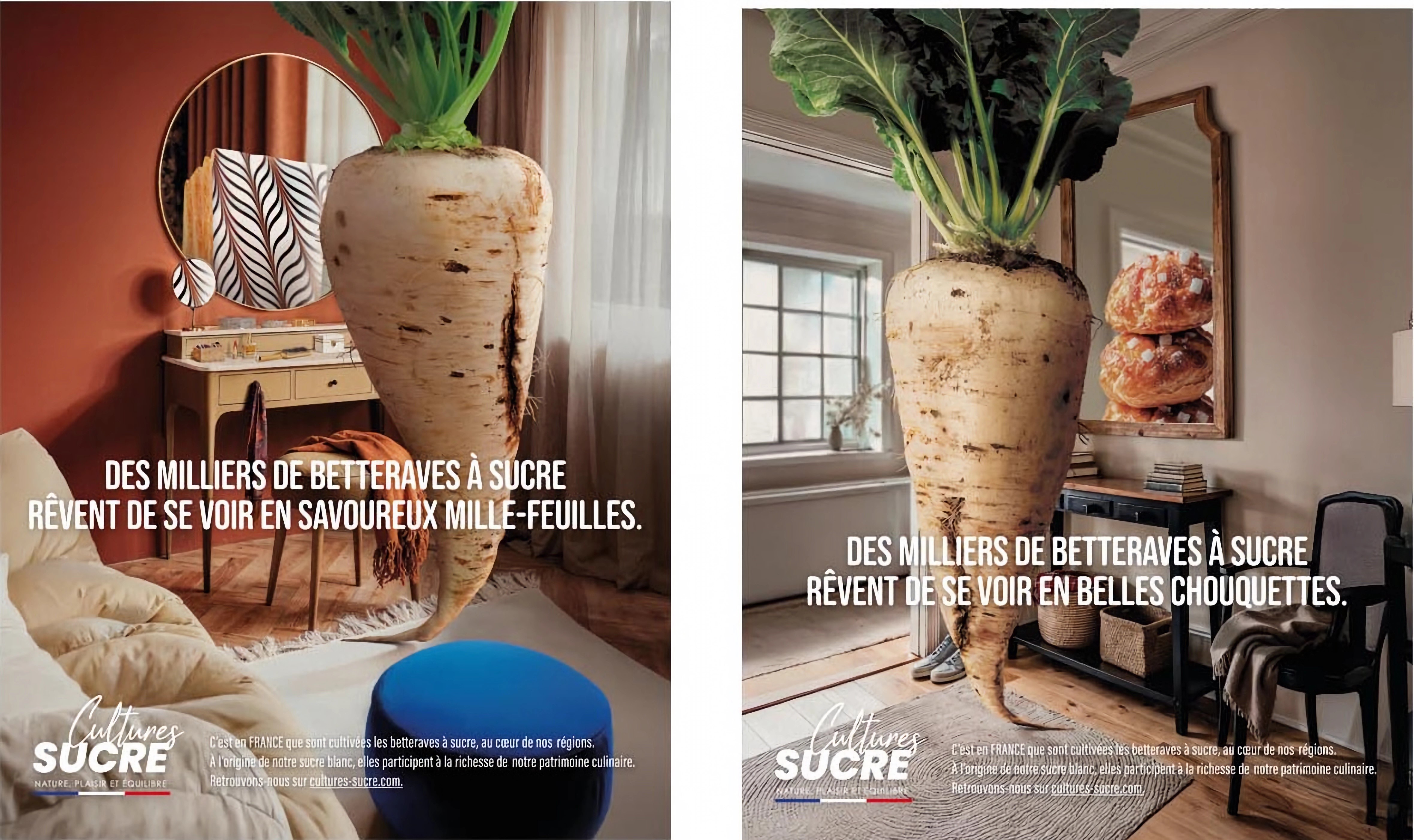
(c) Cultures Sucre